
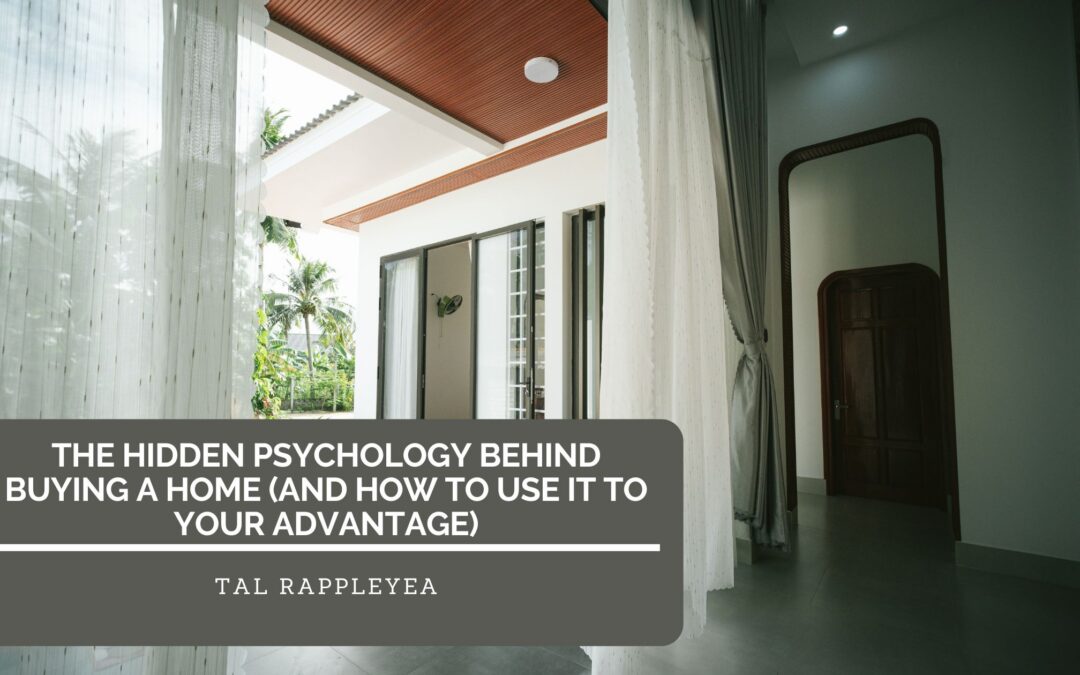
Buying a home isn’t just a financial decision—it’s an emotional one. In fact, most buyers believe they’re making logical choices, but behind the scenes, psychology is doing a lot of the heavy lifting.
Understanding this can give you a serious edge—whether you’re buying, selling, or advising clients.
Why First Impressions Are Everything
Buyers often decide how they feel about a property within the first 30 seconds. That initial emotional reaction—sparked by lighting, smell, layout, or even curb appeal—can outweigh hard facts like price per square foot or long-term value.
That’s why staging matters. A well-staged home doesn’t just look good—it feels right.
The “Dream Life” Effect
People don’t just buy homes—they buy the version of themselves they imagine living there.
A downtown condo isn’t just a property—it’s “walkable lifestyle, coffee shops, and ambition.”
A suburban house isn’t just square footage—it’s “family dinners, safety, and stability.”
Smart sellers and agents lean into this by telling a story. Listings that paint a lifestyle consistently outperform those that just list features.
Decision Fatigue Is Real
After touring multiple homes, buyers can become overwhelmed. Too many options lead to hesitation—or worse, walking away from a great opportunity.
This is where guidance becomes critical. Narrowing choices and framing decisions clearly can help buyers move forward with confidence.
The Power of Scarcity
“Just listed” and “multiple offers” aren’t just status updates—they trigger urgency.
When buyers believe a home is in high demand, they’re more likely to act quickly and offer competitively. It’s basic human behavior: we want what others want.
How to Use This Insight
- Buyers: Be aware of emotional bias—pause before making snap decisions.
- Sellers: Invest in presentation and storytelling.
- Agents: Guide clients through both the emotional and logical sides of the process.
At the end of the day, real estate isn’t just about property—it’s about people. And people are beautifully, predictably irrational.